Strategic Insurance for Thrift, Resale & Donation-Based Retail

Insurance Built for Inventory You Didn't Buy.
Thrift. Resale. Consignment. Donation Centers.

Thrift and resale stores carry risk a standard retail policy was never written for — donated goods with no manufacturer behind them, inventory with no purchase price, volunteers on the sales floor, box trucks picking up furniture across three counties, and a board of directors with a mission to protect. PFTN builds coverage around how a thrift operation actually runs, not a generic retail package renewed on autopilot.

Peoples First Tennessee logo
15+
Years of Strategic Advisory
500+
Organizations Served
100+
Carrier Relationships
98%
Client Retention Rate

Thrift Stores Get Insured Like Boutiques. They Aren't.

The Traditional Approach

The Commodity Trap

Most thrift and resale stores are insured on a standard retail package built for a shop that buys inventory from wholesalers, staffs it with employees, and sells it to a hundred customers a day. A thrift store does none of that. It takes in goods it never inspected, from donors it never met, values them at a number nobody can defend, sells them to a thousand customers a week, and runs the whole thing with a workforce that's half volunteer.

Then a donated crib turns out to be recalled, a volunteer tears a rotator cuff unloading a sofa, a donation truck rear-ends a minivan, or a fire destroys inventory the policy values at zero — and the retail package turns out to be a policy for a business you don't run.

The PFTN Approach

A Renewed Mindset

Our 4-Step Strategic Process starts months before your renewal by understanding how your operation actually works: how goods come in, how they're screened and priced, who's on the floor, who drives, what the board is responsible for, and what your mission can't survive losing. Then we build a program that carriers compete for — because a thrift operation that can document its donation intake, recall screening, volunteer management, and driver program is a risk underwriters want.

The result is coverage that actually responds when the claim is about a donated product, a volunteer, or a truck — and a premium that reflects how well you run, not how the industry is rated.

Coverage Built Around How Thrift and Resale Stores Actually Operate

We don't sell policies. We build a program around the nine exposures that actually threaten a thrift, resale, or donation-based operation — and the four that a standard retail package quietly leaves out.

General Liability

Premises, Sales Floor & Donation Doors

A thrift store's foot traffic is its risk. Crowded aisles, heavy merchandise on open racks, carts in the parking lot, and a donation door where the public backs up pickup trucks all day. We build general liability around the premises exposure you actually have — with limits sized to the traffic, not the square footage.

Product Liability for Secondhand Goods

Donated, Consigned & Recalled Products

You sell products you didn't make, didn't buy, and can't trace. When a donated crib, space heater, or child's car seat injures someone, there's no manufacturer in the chain — there's you. We structure product liability that responds to secondhand goods and the recall-screening program that keeps the claim from happening.

Property & Donated Inventory

Valuation, Fire, Water & Theft

Donated inventory has no cost basis, so most policies value it at nothing. After a fire, that's exactly what you get. We structure stock coverage on a selling-price or agreed-value basis so the racks that burned are replaced at what they were actually worth to the mission.

Workers' Compensation & Volunteer Accident

Employees, Volunteers & Program Participants

Sorting, lifting, and moving furniture injures backs and shoulders on every shift. Workers' comp covers your employees. It usually doesn't cover volunteers or job-training participants — and a thrift store may have more of those than payroll. Volunteer accident and participant coverage close that gap.

Commercial Auto & Donation Fleet

Pickup Trucks, Box Trucks & Volunteer Drivers

The donation truck is the riskiest asset most thrift operations own: heavy, loaded, on residential streets, driven by staff or volunteers. We build commercial auto, hired and non-owned, and driver-screening programs that match how your fleet actually moves — and protect the mission when it doesn't.

Crime & Cash Handling

Register Theft, Donation Diversion & Fraud

Cash registers, donated jewelry, and a steady stream of goods that were never inventoried create opportunity. Commercial crime coverage responds to employee theft, forgery, and funds transfer fraud — and we help you build the intake and cash-handling controls that underwriters price on.

Directors & Officers Liability

Nonprofit Boards & Management Liability

If your store funds a mission, a board is responsible for it. D&O protects directors, officers, and the organization from claims over governance, employment decisions, regulatory compliance, and the use of donated funds. For a nonprofit thrift, it's not optional — it's what lets you recruit a board.

Program & Abuse/Molestation Liability

Job Training, Youth & Vulnerable Populations

Many thrift operations exist to fund workforce development, youth programs, or services for vulnerable adults — and run those programs on the same premises. Abuse and molestation coverage, participant liability, and the screening protocols that support them protect the people the mission serves.

Cyber, POS & Donor Data

Card Transactions & Donor Records

Point-of-sale systems, donor databases, and online resale channels put thrift stores squarely in the path of card-data breaches and ransomware. Cyber coverage responds to the breach, the notification costs, and the downtime — and it's inexpensive at the scale most stores operate.

New here? Read the plain-English overview: Thrift Store Insurance: What Resale, Consignment & Nonprofit Thrift Shops Need in 2026

Read the Guide →

Purchase with Purpose, Not Habit

The industry standard gives you 90 days to renew. That's not a strategy. We take a longer view, building a process that puts you ahead of the market and delivers coverage and cost outcomes most companies don't know are possible.

1

Strategic Discovery

We start by understanding your business goals, growth trajectory, and risk tolerance. Not just your current policy deck.

2

Risk Assessment

We identify current and future risks that could impact your success. We use a systematic, quantifiable approach to surface the risk issues most brokers never look for.

3

Solution Design

We build an integrated insurance and risk management strategy, not a one-size-fits-all policy package. Every solution is tailored to your risk profile, your industry, and your goals.

4

Ongoing Optimization

We monitor, adjust, and evolve your protection strategy. Your business changes, and your insurance should too. We continuously track your risk profile, claims trends, and market conditions.

From the first engagement with PFTN, we will educate, consult, and help you find strategic opportunities to impact your business. The shift starts with one conversation.

The Tools to Take Control

Most risk hides in plain sight. The PFTN platform puts a full suite of tools at your fingertips designed to illuminate what is otherwise overlooked. Training events, predictive modeling, compliance resources, risk assessment tools, and 24/7 access to everything you need to stay ahead of risk.

PFTN Torch

Shine a light on hidden risk through comprehensive assessments that uncover gaps in your coverage before they become costly surprises.

PFTN Benchmark

Project, track, and manage your experience modification rate with data-driven strategies that directly impact your workers’ compensation costs.

PFTN Advocate

Personal claims management by our dedicated claims manager, from first report through resolution, we advocate on your behalf.

PFTN Equip

Thought leadership workshops, lunch & learns, and executive briefings designed to keep your team ahead of emerging risks and industry trends.

PFTN Portal

Secure, 24/7 access to your full insurance program — desktop or mobile. Every document, every policy, always at your fingertips.

PFTN Vault

A private resource library built for your team — HR tools, compliance guides, and learning systems in one place.

The Future of Risk Placement

Most companies renew on autopilot, repeating the same process year after year and wondering why nothing improves. The truth is, the traditional approach to insurance wasn't designed to acknowledge growth or improving outcomes. It is designed to repeat the cycle with as little change or friction as possible at all points of the distribution channel.

The future of risk placement doesn't belong to companies that shop harder. It belongs to companies that stop renewing on autopilot and start doing the work between renewals that actually moves the needle. When a company commits to that kind of discipline, the market responds. Insurance stops being a cost you manage and starts becoming a position of strength.

These tools exist to help you get there. They're not a value add. They are the strategy.

Your Insurance Should Work as Hard as You Do

Here's what most insurance brokers won't tell you: the way commercial insurance is bought and sold is fundamentally broken. Brokers follow the same playbook: collect your data, send it to a few carriers, present the lowest quote, and move on. The process rewards speed and volume, not strategy and outcomes.

We built Peoples First Tennessee to be the opposite of that. Rather than selling insurance policies, PFTN is centered around finding and leveraging risk with a strategic process. With consultation, education, and proactive planning, our team partners with you to create a customized risk management strategy while easing the administrative burden of managing insurance.

  • Data-driven purchasing that challenges market assumptions
  • Streamlined administration that gives your team time back
  • Proactive risk management that prevents losses, not just pays for them
  • A relationship built on honest counsel, not sales quotas
"In over 15 years of working with hundreds of organizations, I've never sat down with a company that was already buying insurance strategically. But the few that break that cycle don't just save money — they transform their entire organization. Strategic insurance buying isn't just a cost decision. It's a cultural shift."
Ryan MeffordPresident, Risk Advisor

Meet the People Behind the Strategy

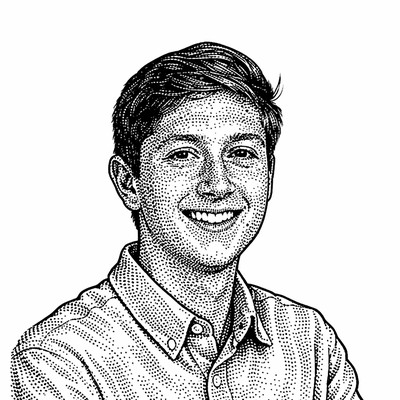
Ryan Mefford, President and Risk Advisor at Peoples First Tennessee

Ryan Mefford

President, Risk Advisor
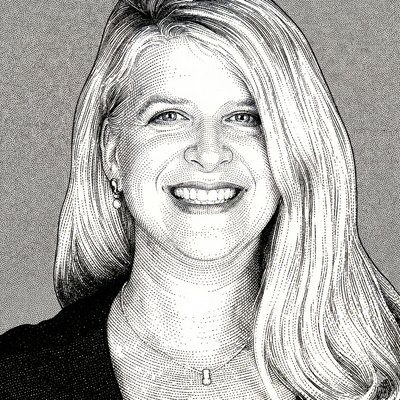
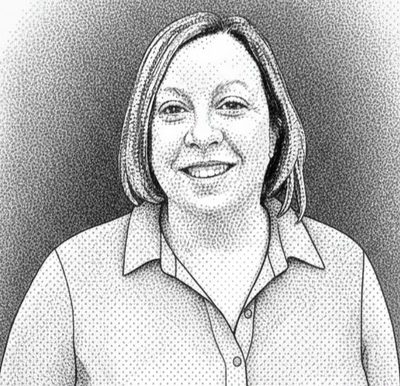
Lisa Fleenor, Director of Account Management

Lisa Fleenor

Director of Account Management
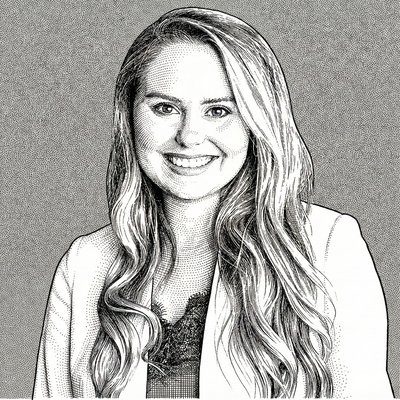
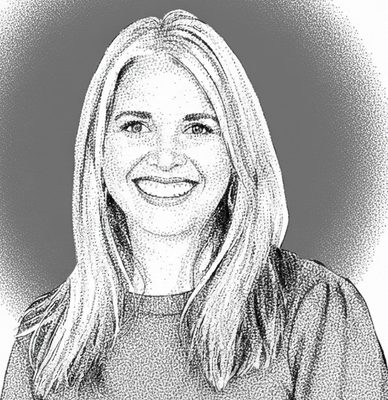
Rachel Talley, Director of Operations

Rachel Talley

Director of Operations
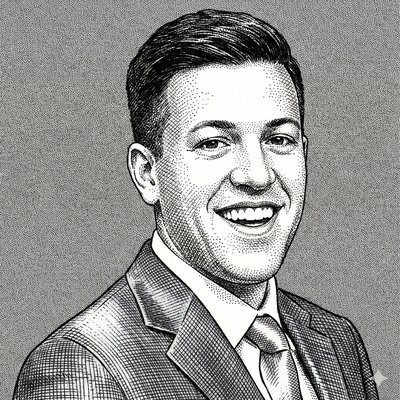
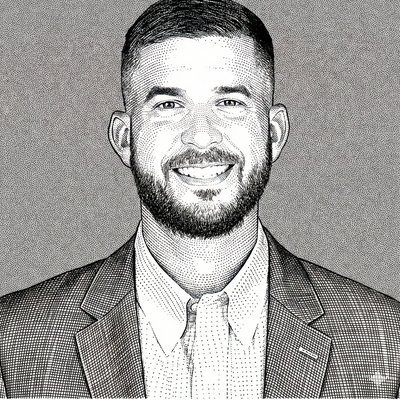
Chase Bristow, Risk Advisor

Chase Bristow

Risk Advisor
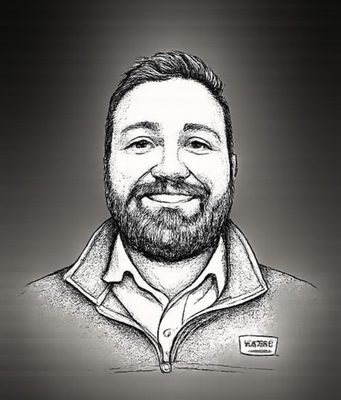
John Thomson, Risk Advisor

John Thomson

Risk Advisor
Zeke Plewniak, Business Development at Peoples First Tennessee

Zeke Plewniak

Business Development
Erin Boyd, Account Manager

Erin Boyd

Account Manager
Monica Mefford, Client Coordinator

Monica Mefford

Client Coordinator

Carrying the Light Forward

Tim Keller wrote that "to be the light means to illuminate what is true." These briefings exist to do exactly that — to shine a light on what the insurance industry would rather keep in the dark.

Product Liability

The Donated Crib Problem: Why Thrift Stores Carry Product Liability for Goods They Never Made

Under federal law, thrift stores and charities can't sell recalled products — and when a donated crib or space heater injures a customer, there's no manufacturer to point to. Here's how secondhand product liability actually works, and the intake screening that keeps the claim from ever being filed.

Read More →
Property

What Is Your Donated Inventory Worth? The Valuation Question Most Thrift Store Policies Get Wrong

Property policies value stock at replacement cost. Donated inventory has no cost — so after a fire, many thrift stores recover the building and nothing for $400,000 of merchandise. Here's how selling-price and agreed-value clauses fix it, and what documentation the carrier needs before the loss.

Read More →
Volunteers & Workers' Comp

Volunteers Aren't Employees — Until One Gets Hurt

Most thrift operations run on volunteers, community-service workers, and job-training participants — none of whom are covered by workers' comp in most states. When one is injured, the organization isn't off the hook; it's just uninsured. Volunteer accident coverage is the inexpensive fix almost nobody has.

Read More →

Thrift & Resale Insurance Questions We Hear Every Week

What insurance does a thrift store need?

A thrift or resale store needs general liability for its sales floor and donation areas, product liability that responds to secondhand goods, commercial property with inventory valued at a defensible number, workers' compensation for employees, volunteer accident coverage, commercial auto for any donation-pickup vehicles, and crime coverage for cash and donated goods. Nonprofit thrift operations also need directors and officers liability. PFTN builds these as one coordinated program.

Are thrift stores liable for selling recalled products?

Yes. Under the Consumer Product Safety Improvement Act, it is illegal for resellers — including thrift stores and charities — to sell products that have been recalled or that violate federal safety standards. If a recalled crib, stroller, or appliance injures someone, the store can be held liable. Product liability coverage responds to the claim; a documented recall-screening program at intake is what keeps it from happening.

How do you value donated inventory for insurance?

Standard property policies value stock at cost — and donated inventory has no cost, so many policies effectively pay nothing for it after a loss. The fix is to insure stock on a selling-price basis (what you would have sold it for) or an agreed value, supported by your sales history. Getting this right is the single most important property decision a thrift store makes.

Are volunteers covered under workers' compensation?

Generally no. Workers' comp covers employees, and in most states a volunteer who is injured unloading furniture or sorting donations has no workers' comp claim — but may have a liability claim against the organization. Volunteer accident coverage pays medical expenses for injured volunteers on a no-fault basis, and is inexpensive relative to the exposure.

Do we need commercial auto insurance for our donation pickup truck?

Yes. Any vehicle owned by the store or organization needs commercial auto coverage, and a box truck loaded with furniture on residential streets is a significant liability exposure. If employees or volunteers ever use their own vehicles for pickups, you also need hired and non-owned auto liability, which covers the organization when it is sued for an accident in a vehicle it does not own.

Does being a nonprofit change what insurance a thrift store needs?

It adds to it. A nonprofit thrift store needs directors and officers liability to protect its board, and often needs program, participant, and abuse/molestation coverage if the store funds or hosts job training, youth programs, or services for vulnerable populations. Nonprofit status does not reduce liability exposure on the sales floor or the road.

Work That Matters. Purpose That Lasts.

At Peoples First Tennessee, we believe your work is more than a job. It's a calling. We're building a team of people who see insurance not as a transaction, but as a way to serve others with excellence and integrity.

Human Dignity

Every person we serve, every client, every colleague, carries inherent worth. We don't treat people as policy numbers. We approach every relationship with the conviction that protecting someone's livelihood is a deeply human act, and that the work we do has real meaning in the lives of others.

Personal Calling

We believe the best work happens when people bring their full selves to what they do. At PFTN, your role isn't just a function. It's an opportunity to use your unique gifts in service of something bigger. We hire people who are driven not by quotas, but by the belief that their work can genuinely impact the businesses and families we protect.

Culture of Excellence

Culture becomes meaningless the moment it becomes marketing. Real culture isn't a brand statement or a tool for public recognition. It's the quiet measure of whether what you say you'll do in public is actually what gets done in private. It's dignity extended when no one's watching. Grace given when it costs you something. Excellence held to when no client will ever see it. That's the standard here, held together by people humble enough to know they need the same grace they give.

"Work is not primarily a thing one does to live, but the thing one lives to do. It is the full expression of the worker's gifts, the thing that gives you a sense of purpose and calling."

Timothy Keller, Every Good Endeavor

What to Expect at PFTN

The values above aren't aspirational. They're how we operate every day. We're a tight-knit team in Knoxville serving clients all over the U.S., where people are trusted with real responsibility, encouraged to grow, and reminded that the work we do has real meaning in the lives of others.

We don't think purpose is something you have to chase outside of work. We think the right environment calls you to purpose in a manner that harnesses your gifts and talents and can be a catalyst for joy. If that sounds like what you've been missing, reach out.

Investing in the Whole Person

We invest in the whole person — not just the employee. That means caring for your financial future with a max-match 401(k) and annual financial literacy classes. Supporting your well-being through paid counseling services and gym memberships. And honoring your desire to serve others with 40 hours of paid community service every year.

These aren't perks designed to recruit. They're commitments designed to help you flourish — spiritually, financially, physically, and personally.

Join Our Team →

Stop Insuring Your Thrift Store Like a Boutique.

Bring us your current policies and a walk-through of how donations come in and go out. We'll show you, line by line, where the coverage matches how you actually operate — and where it doesn't.